
slow farming
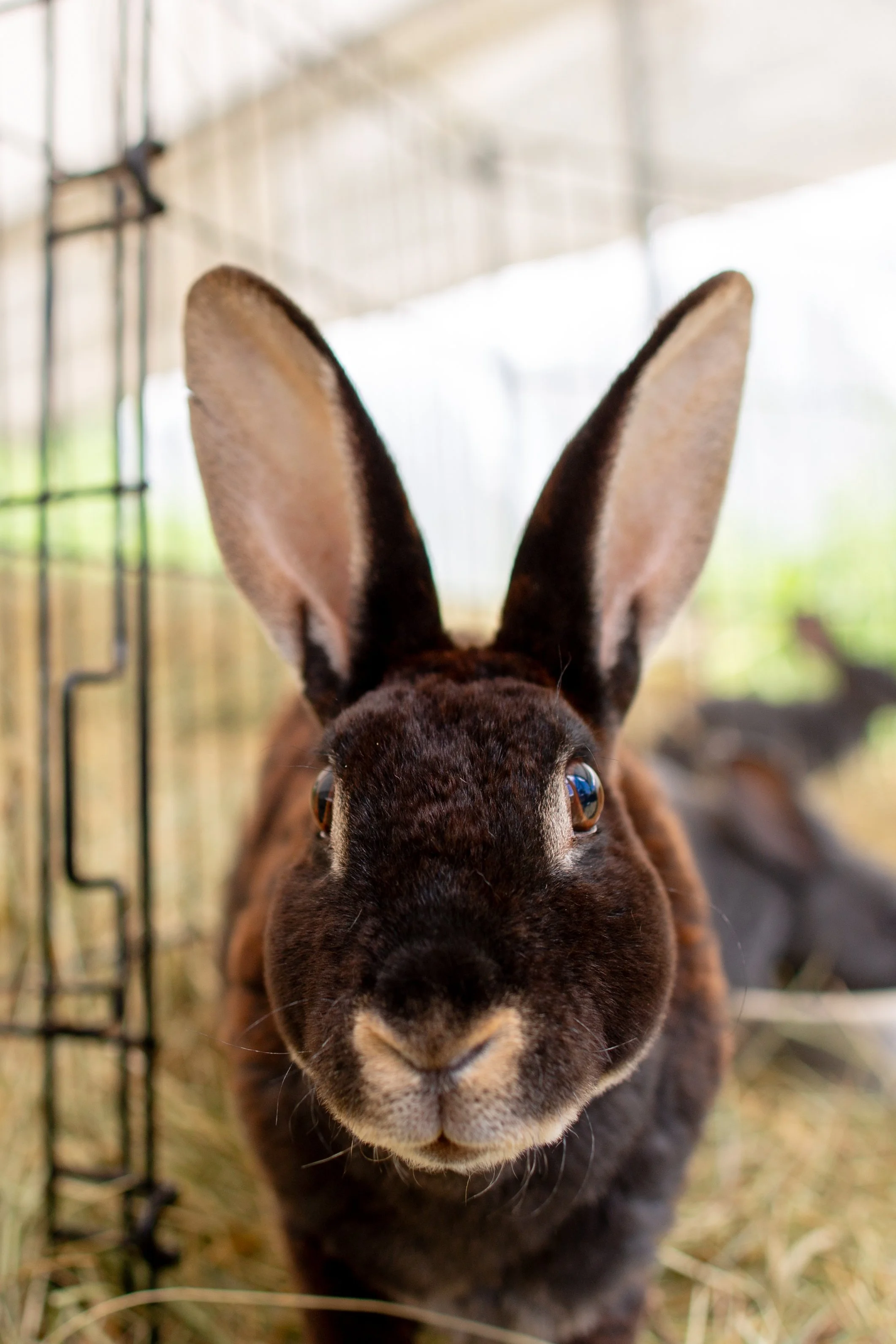
In a world where there’s never enough time, where we juggle multiple tasks throughout every day, and where most farmers engage in at least some off farm work (96% of farmers in the US have some income from off farm jobs), the trend continues towards efficiency. This is true not just amongst the industrialized farms that blanket the land, but even for those of us running small farms and homesteads. Whether for time or money or both, if we can squeeze a little more out, we are taught that we must. And the truth is, often we truly must (for financial reasons or otherwise). If I scroll through instagram I’m bombarded by “taking care of your birds in 5 minutes or less a day”, “only change your rabbit water once a week” and “the downsides of ducks: mess”. All these messages actively, or subversively, create a story that centralizes time management above all else on the small farm.
Supporting your local farmer is an act of resistance
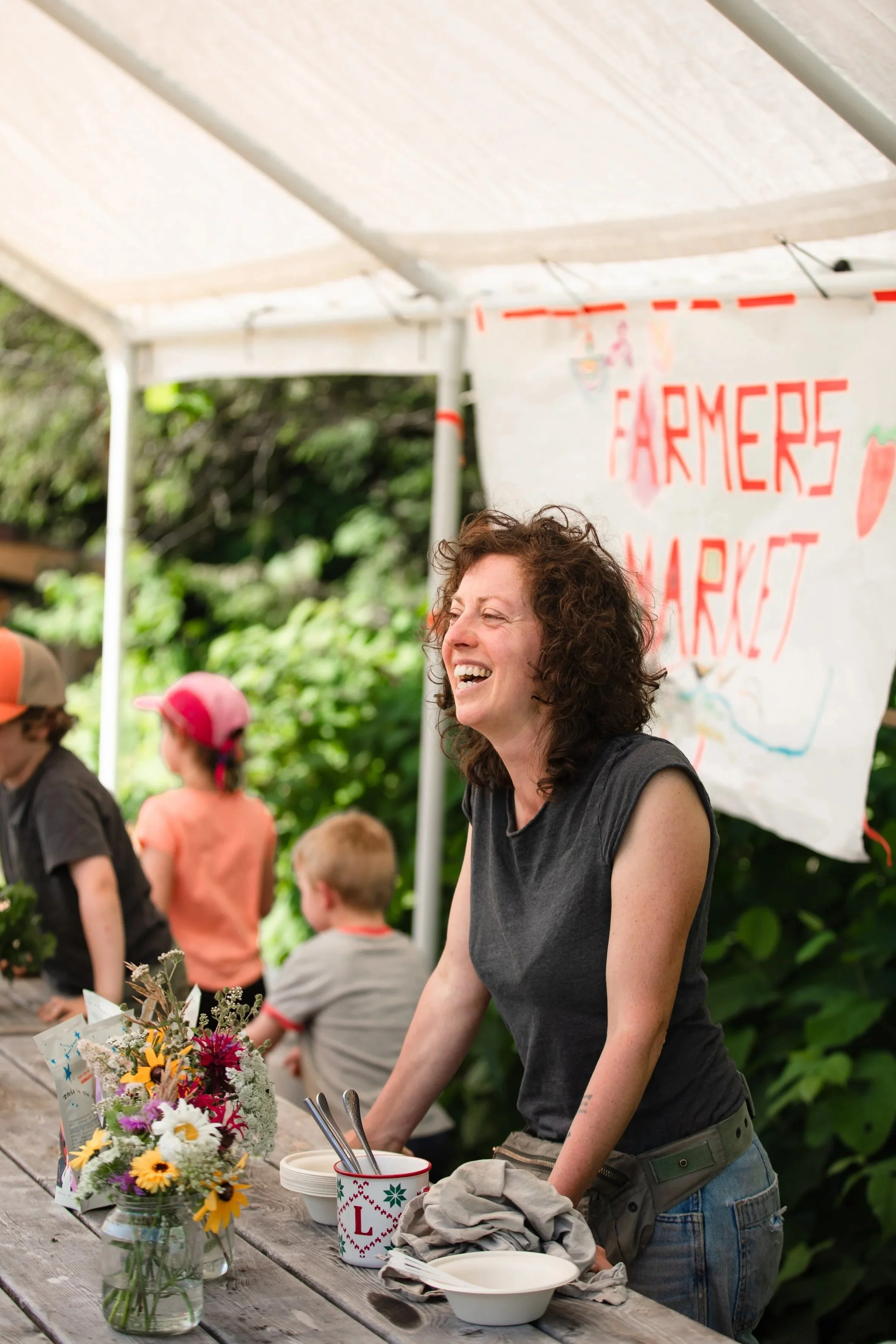
We are all eaters and almost all of us pay for food. Where you spend your dollars matters. Each bite you take either sends dollars to faceless corporations (even ones that are certified organic) driven by profit, or to those that are the backbone of our communities. Your spending power, no matter how small, can be an act of resistance. By supporting small, local farmers you are resisting the commodification of what sustains us all. Instead, you’re investing in rebuilding the soil, dignified treatment of animals and food that has the power to heal. You’ll also get to talk to your farmer about your kids/day/job/garden each time you visit them at the farmers market or farm stand. When you eat as an act of resistance, you learn about the successes and challenges of making real food, what the animals you eat eat, and why certain crops thrive and others fail. You are investing in the education of those making your food and helping them build the skills that we all need to survive.
WHY WE RUN ON THE HONOR SYSTEM
Five years ago, when my partner Jonathan and I first found this land, there wasn't much here: an open field, some woods, and not a lot else. We'd come up from the Hudson Valley in New York, and when we went looking for property around Morrisville, we chose this spot on purpose. It's close enough to town that we can walk and bike, and open enough to the road that anyone driving by can see what we're building. So many farms and homesteads are tucked away down a dirt road, and that's just not our style. We like being part of the everyday life of this town. Our hope has always been that watching the farm grow feels like an invitation to come see it for yourself.